
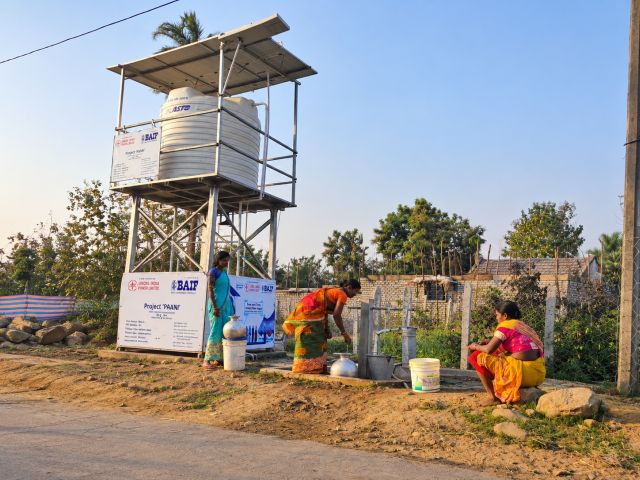
- Project Paani covers 11 villages in Angul, Odisha, and 6 communities in Delhi–NCR through solar-powered water infrastructure and community-led maintenance
BC Jindal Foundation, the CSR arm of the BC Jindal Group, has extended access to safe drinking water to more than 1.1 lakh people across rural Odisha and Delhi–NCR through its Project Paani initiative. The project combines solar-powered drinking water infrastructure, water purification technology and community participation to address water accessibility challenges in underserved communities.
In Angul, Odisha, the initiative has reached nearly 10,000 people across 11 villages through 39 solar-based drinking water plants. In Delhi NCR, six water purification plants have benefited more than one lakh people. Together, these interventions are aimed at improving access to safe and affordable drinking water while reducing dependence on conventional energy sources for water purification.
Led by the vision of Promoter Shri Shyam Sunder Jindal, BC Jindal Group, Project Paani addresses inadequate water availability and groundwater contamination, including issues associated with fluoride and chloride. The initiative uses green energy and low-maintenance filtration technology to support reliable access to drinking water in the communities it serves.
The solar-based systems generate an estimated 53,395 kWh of clean energy annually. Beyond the installation of water plants, the Foundation has installed handpumps in community spaces to improve access to water and equipped six government schools with RO-based water purification systems to provide schoolchildren with access to purified drinking water.
A key component of Project Paani is its focus on community ownership and the long-term operation of the infrastructure. The Foundation has facilitated the formation of 39 Water User Groups and worked with Village Level Committees through village meetings, awareness campaigns and training on the operation and maintenance of water plants. These efforts are intended to build local capacity and support the continued functioning of the facilities.
In Delhi NCR, averagely the 3000 household access to clean drinking water on every day. The project is developed as model where drinking water is available on very negligible price for the economically challenged communities where drinking water isn’t available. Additional this reduces the water borne disease risk among the community in need.